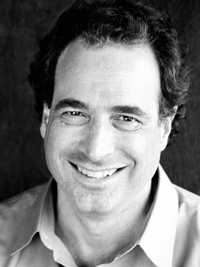
Michael Shuman presented to a crowd about local investing and ways to create wealth in a community. His talk on October 10 was the kickoff event for Vermont’s New Economy Week 2013.

Michael Shuman is director of research for Cutting Edge Capital, director of research and economic development at the Business Alliance for Local Living Economies (BALLE), and a Fellow of Post Carbon Institute. He holds an AB with distinction in economics and international relations from Stanford University and a JD from Stanford Law School. He has led community-based economic-development efforts across the country and has authored or edited seven previous books, including The Small Mart Revolution: How Local Businesses Are Beating the Global Competition (2006) and Going Local: Creating Self-Reliant Communities in the Global Age (1998).
In recent years, Michael has led community-based economic-development efforts in St. Lawrence County (NY), Hudson Valley (NY), Katahdin Region (ME), Martha’s Vineyard (MA), and Carbondale (CO), and served as a senior editor for the recently published Encyclopedia of Community. He has given an average of more than one invited talk per week for 25 years throughout the United States and the world.
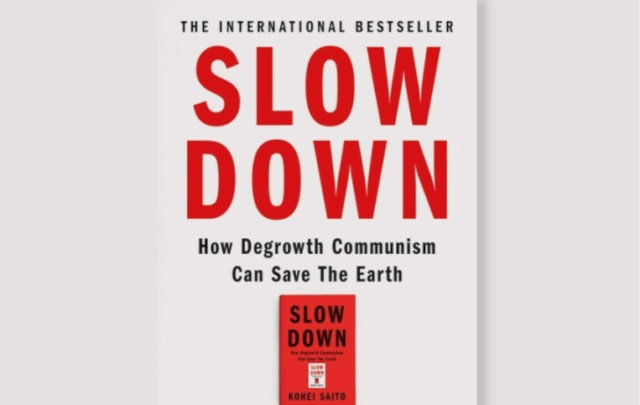
Saito makes a compelling case this is exactly the kind of economy we need, one which will slow it down so we can deal with our multifaceted crises. In other words, to leave a world with which our children can cope. But is it the kind of economy we can have? How do we get from there to here?
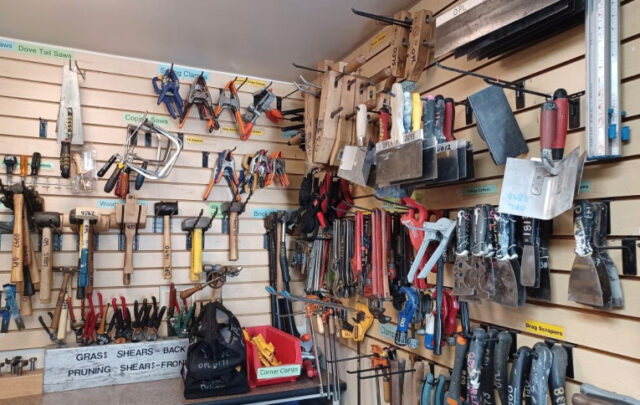
In its many projects, Shareable has shown just how diverse, creative, and consequential organized sharing can be. The power of bottom-up collaboration focused on specific needs is powerful. When modest infrastructures are created to empower people to contribute their talents, some amazing things happen.
In this mess we are in today, with fascism on the rise, with the risk of war, with burnout and anxiety, there are many reasons for hope. If we fight to get rid of capitalism and transition to an economy that truly values life, I think we can win.
When you login first time using a Social Login button, we collect your account public profile information shared by Social Login provider, based on your privacy settings. We also get your email address to automatically create an account for you in our website. Once your account is created, you'll be logged-in to this account.
DisagreeAgree
Connect with
I allow to create an account
When you login first time using a Social Login button, we collect your account public profile information shared by Social Login provider, based on your privacy settings. We also get your email address to automatically create an account for you in our website. Once your account is created, you'll be logged-in to this account.