
This content is no longer available. It was a pre-publication draft of a section of “Energy Limits to Growth,” a report that will be published in expanded form by Post Carbon Institute and International Forum on globalization in May.
The conservation imperative: energy limits to growth and the path to sustainability – part II
By Richard Heinberg, originally published by Museletter / Global Public Media
February 24, 2009
Richard Heinberg
Richard is Senior Fellow of Post Carbon Institute, and is regarded as one of the world’s foremost advocates for a shift away from our current reliance on fossil fuels. He is the author of fourteen books, including some of the seminal works on society’s current energy and environmental sustainability crisis. He has authored hundreds of essays and articles that have appeared in such journals as Nature and The Wall Street Journal; delivered hundreds of lectures on energy and climate issues to audiences on six continents; and has been quoted and interviewed countless times for print, television, and radio. His monthly MuseLetter has been in publication since 1992. Full bio at postcarbon.org.
Tags: Biofuels, Biomass, Coal, Consumption & Demand, Electricity, Energy Policy, Fossil Fuels, Geothermal, Hydropower, Industry, Marine Energy, Natural Gas, Nuclear, Oil, Photovoltaic, Renewable Energy, Shale Oil, Solar Energy, Solar Thermal, Tar Sands, Tidal Energy, Wave Energy, Wind Energy
Related Articles
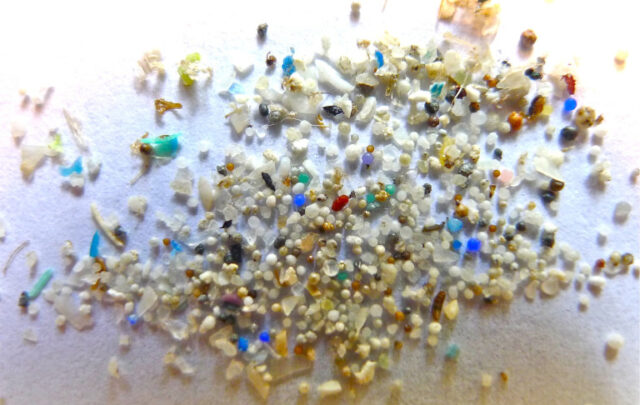
A new study finds that microplastics are increasingly present in human brains
A new study has found a dramatic increase in levels of microplastics and nanoplastics (MNPs) in human brains in recent years.
May 29, 2025
Study Reveals Up to 11 Million Tons of Plastic Polluting Ocean Floors
By Brett Wilkins, Common Dreams
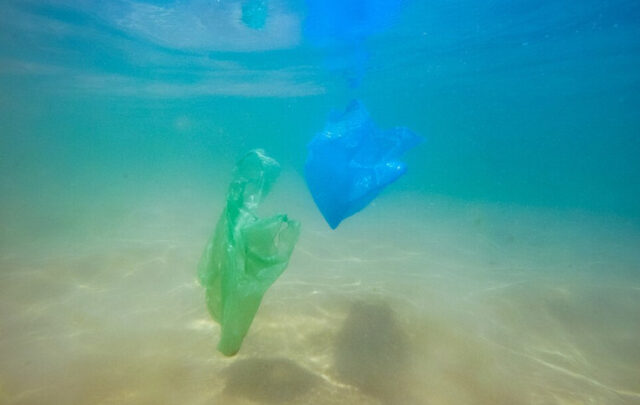
The amount of plastic waste littering the Earth’s ocean floors could be up to 100 times the quantity floating on the surface, according to a study published this week.
May 29, 2025
Radical abundance through degrowth – a vision for a communal economy
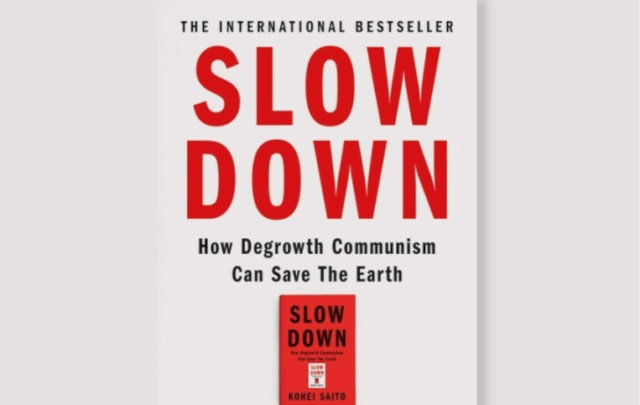
Saito makes a compelling case this is exactly the kind of economy we need, one which will slow it down so we can deal with our multifaceted crises. In other words, to leave a world with which our children can cope. But is it the kind of economy we can have? How do we get from there to here?
May 29, 2025